
Blog - Conscious Home Design: Choosing Pieces Built to Last
Conscious Home Design: Choosing Pieces Built to Last
There is a question almost nobody asks while standing in front of a piece of furniture: will this still be here in twenty years? Conscious home design begins with that shift in perspective, treating each object not as a one-off purchase but as a decision that will live with you for a long time. At ETNA STUDIO we have spent years observing what makes a project age well, and it almost always comes down to the same thing: less haste, more judgement, and pieces made to last.
This is not a list of rules. It is a way of looking at your home, and of understanding why, in the segment we work in, sustainability was never a slogan. It is simply how good design has always been made.
What conscious home design really means
Living consciously does not mean giving things up. It means choosing with the same rigour you would apply to a work of art for your living room: asking where something comes from, what it is made of and whether it will still make sense in a decade. Set against furniture designed to last two or three years, this approach favours objects that can be repaired, passed on and still desired long after the season that launched them has faded.
It also changes how a space is designed. A conscious home is not furnished all at once; it is built in layers, with pieces chosen slowly that sit well together even when they share neither an era nor an origin. It is, at heart, the difference between decorating a house and designing a home.
Timeless pieces: noble materials and authored design
Marble, bronze and ceramic that gain character
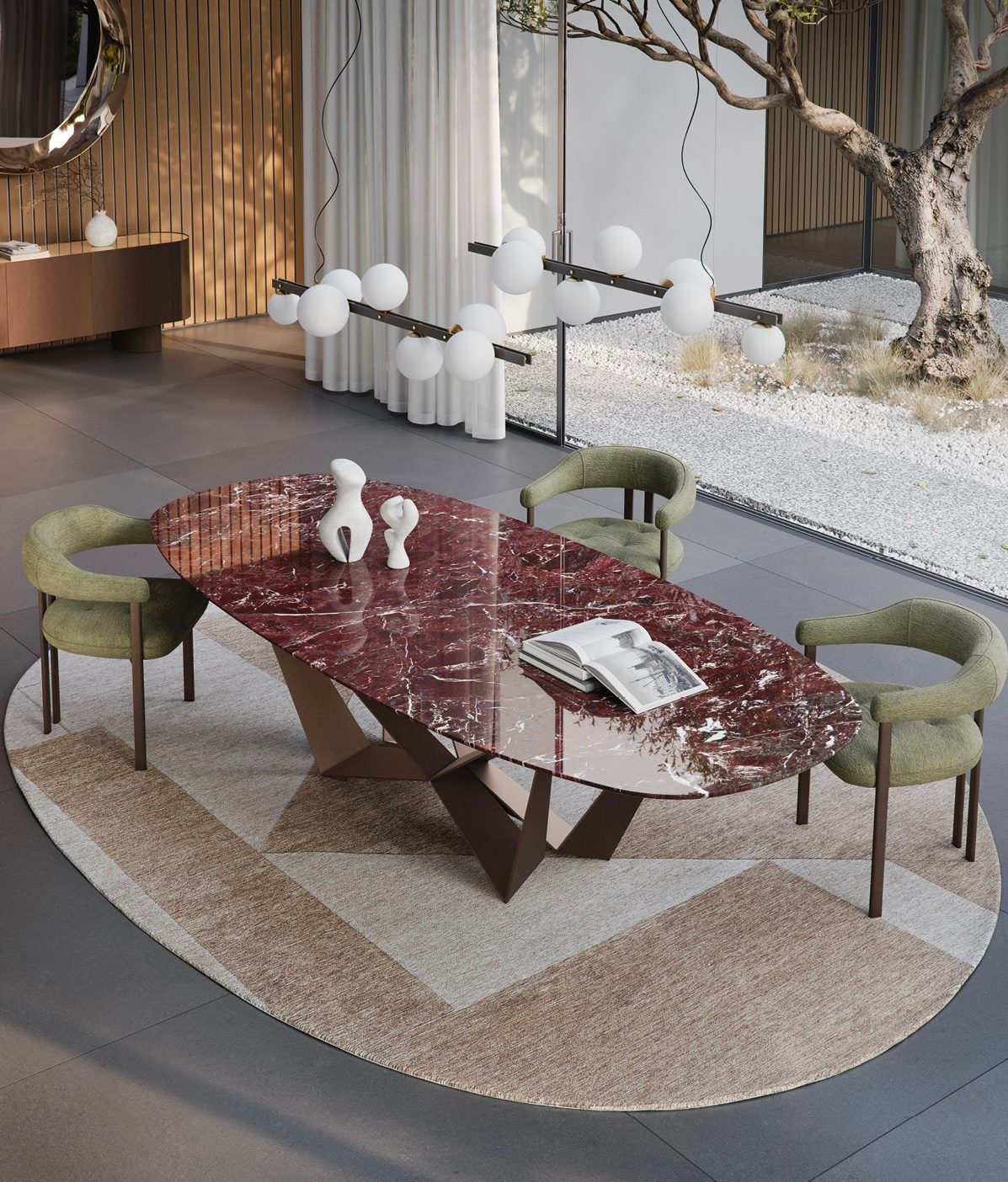
Durability starts with the material. A marble top, a bronze-finish base or a large-format ceramic surface do not merely withstand time; they gain character with it. The Skorpio Marble table from Cattelan Italia, a firm we work with, pairs a red marble top with an embossed steel base in bronze. The Papel Keramik, from the same house, rests a ceramic top on a sculptural base that is available in an Oxybrass finish. Both are conceived to carry the daily life of a household for generations, not for a single catalogue season.
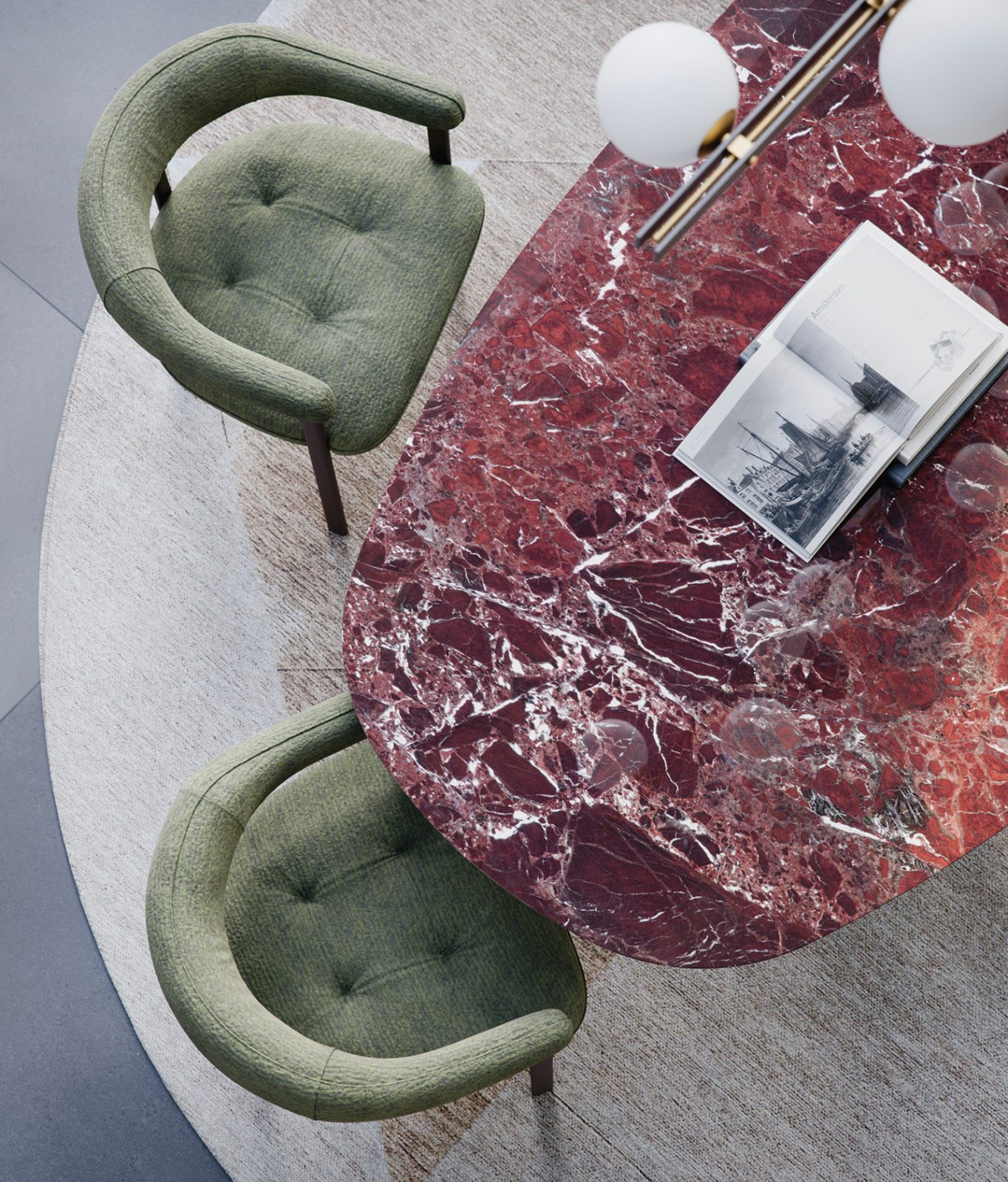
Detail of the marble top of the Skorpio Marble. Image: Cattelan Italia.
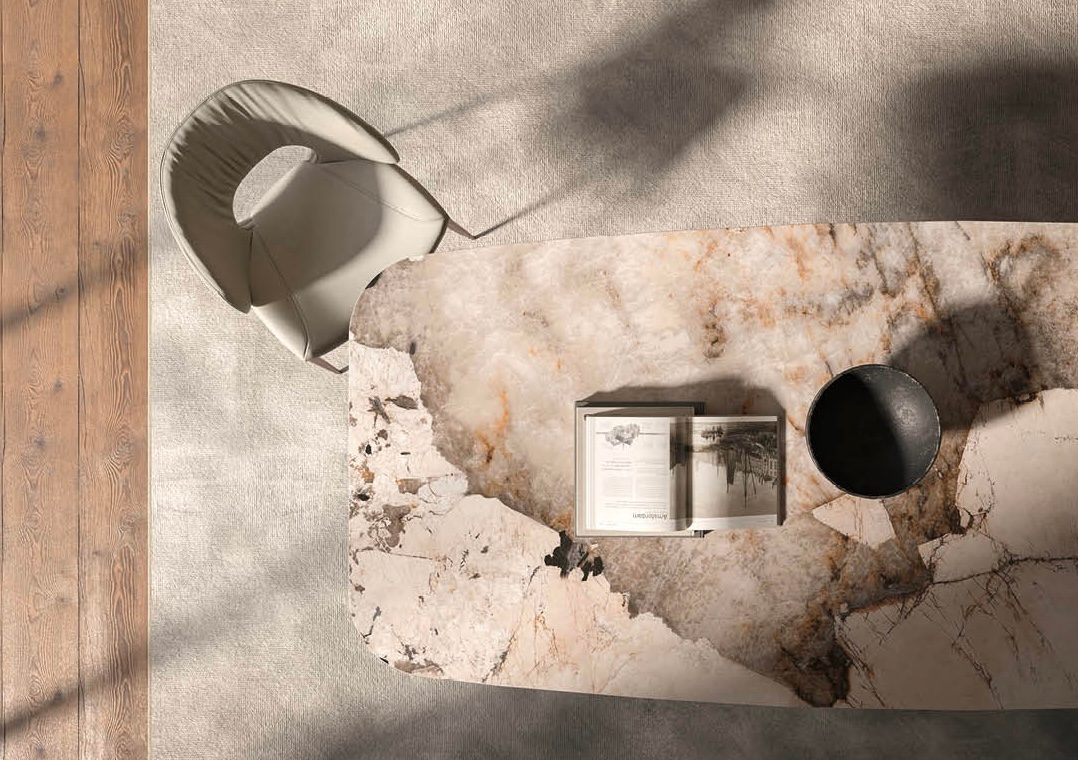
Papel Keramik, Cattelan Italia. Image: Cattelan Italia.
Authored lighting: the Tizio and the Taraxacum
The same logic applies to lighting. The Tizio (Richard Sapper for Artemide) and the Taraxacum (Achille Castiglioni for Flos) were designed more than fifty years ago and are still in production, which says more about their design than any claim about durability. The real test of a lasting piece is not that it survives physically, but that its design never goes out of date.
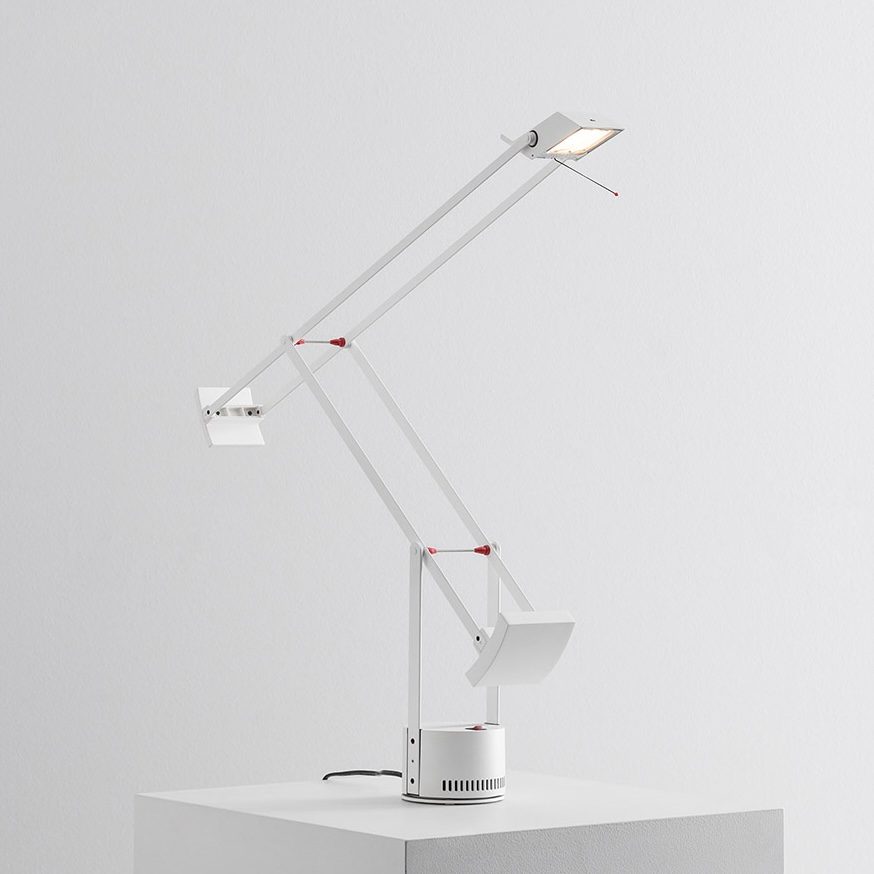
Tizio, Richard Sapper for Artemide. Image: Artemide.
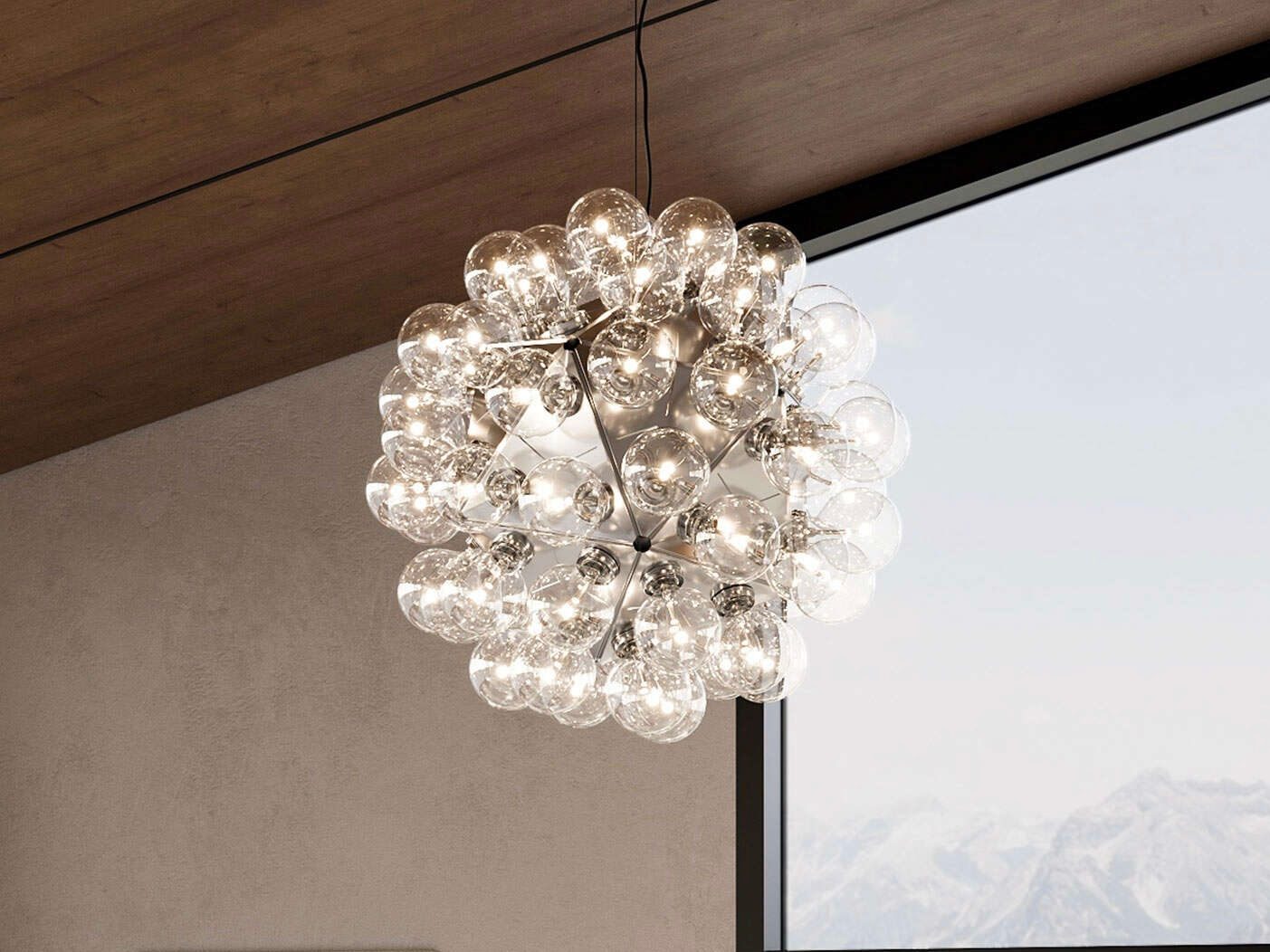
Taraxacum, Achille Castiglioni for Flos. Image: Flos.
Whenever we take on an interior design project, our first conversation with the client is the same: which pieces deserve to be permanent, and which can be renewed over time without disturbing the whole. We look at the same question from the side of materials and finishes in Interior Design That Doesn’t Date.
Vintage and second-hand design furniture, chosen with judgement
Buying second-hand designer furniture is not a way of saving money. It is a way of reaching a level of craftsmanship that is rarely produced any more, or of bringing home a piece with its own provenance and history. A well-restored vintage chair, an original 1970s lamp or a sideboard from a maker that no longer exists carries something no new piece can replicate: authenticity of origin.
Finding vintage design furniture is the easy part. Knowing which pieces deserve a place in your home, and which are simply noise with a patina, is what takes experience. That is where a studio’s judgement matters: telling an object with real design value apart from one that only looks old, checking how it has been restored, and deciding where it will be seen to advantage. Blending vintage with contemporary furniture is, in fact, one of the finest exercises in interior design, and one of the things that most clearly separates a home with its own character from one styled from a catalogue.
Conscious home design starts with the renovation
A conscious home does not end with furniture. It begins much earlier, in how a full renovation is approached: which structures are worth keeping, which materials are chosen for their real lifespan, and which decisions spare a home from being reworked within a few years. A renovation planned for the long term is in itself an act of sustainability, even if it is never marketed with that word.
This is what we mean by the design lifecycle: thinking about what a home will need in twenty years before deciding what it needs today.
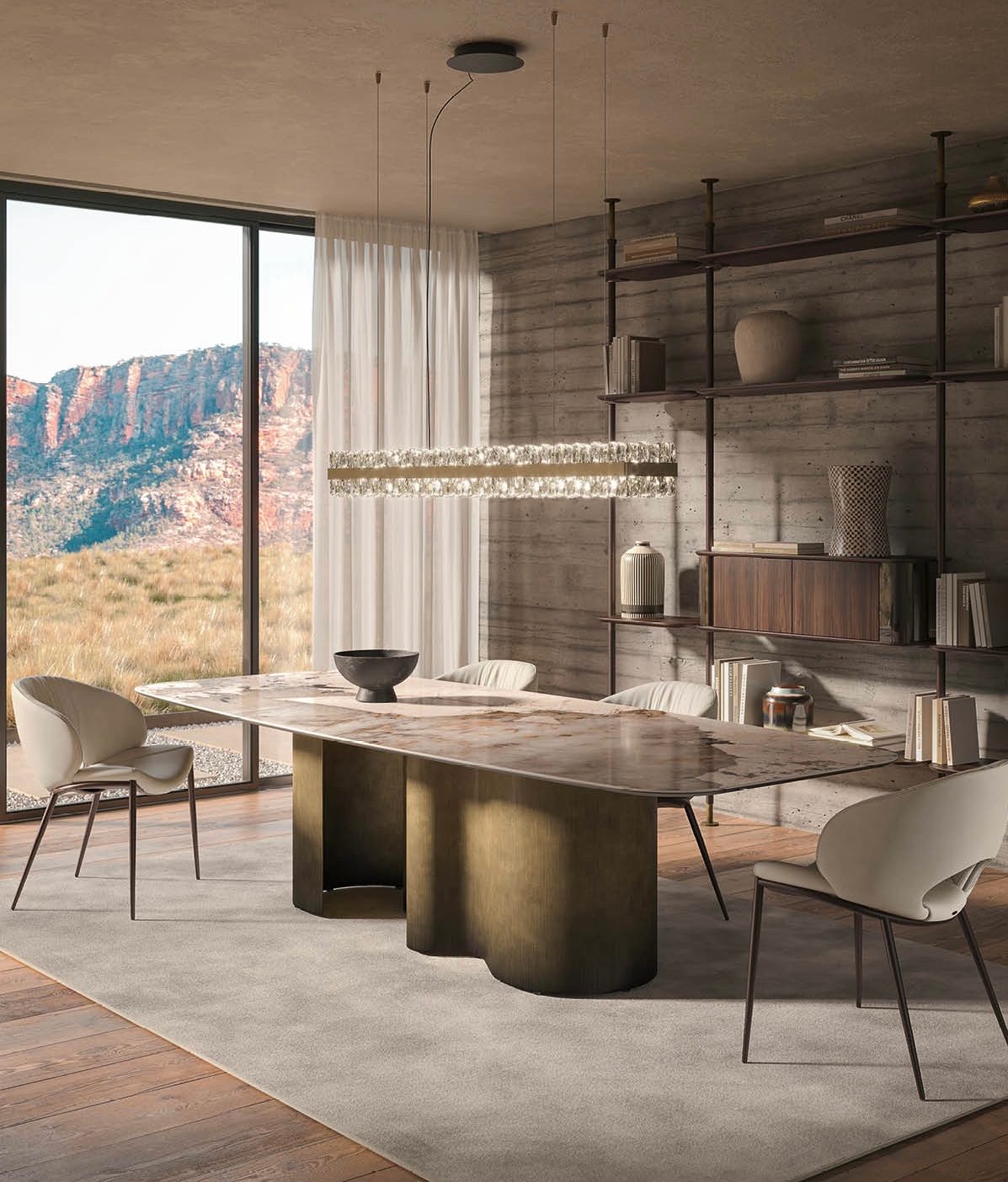
Papel Keramik with a base in Oxybrass finish. Image: Cattelan Italia.
How to start a project with this approach
The first step is not buying anything new. It is taking an honest inventory of what you already have: which pieces deserve to stay, which could be restored, and which you have been replacing out of habit rather than real need. From there, a conscious project combines what already works with the right additions, never the other way round.
This is the horizon we bring to every project at ETNA STUDIO, whether it is a full renovation or the selection of a few key pieces. We would rather have an honest conversation about what your home needs than put forward a proposal that merely fills square metres.
Frequently asked questions
What does conscious home design mean?
It is an approach that prioritises durable pieces, in noble materials or with genuine provenance, whether new or second-hand, over furniture made for short-term use. It is not about buying less for its own sake, but about choosing objects with judgement so that they still make sense, aesthetically and functionally, many years from now.
How can I tell if a piece of furniture will last?
Look at the material and construction before the looks. Marble, bronze, solid wood and large-format ceramic age well and can usually be repaired. It also helps to know whether the piece comes from an established maker, which often points to manufacturing intended to last decades rather than seasons.
Is it worth buying second-hand designer furniture?
Often, yes, provided the piece has real design value and has been properly restored. You gain craftsmanship and provenance that are hard to find in new production. The risk lies in paying for age rather than quality, which is why it helps to have a trained eye assess the piece before you buy it.
Can I mix vintage and new furniture in the same room?
Yes, and it is often what gives a space its personality. The key is judgement: a vintage piece with real design value sits comfortably beside contemporary furniture when both share a similar quality of material and a clear intention, rather than being combined only for contrast.
Where should I start if I want to renovate my home with this approach?
With an honest assessment of what you already own and of the structure of your property, before thinking about new furniture. We begin any project with exactly that conversation, to understand what is worth keeping and where it makes sense to invest.
Let’s talk about your project
If this way of thinking feels familiar, you have probably already sensed that your home does not need to start from zero. We like working with people who want a project built to last, from the renovation itself to the final piece of furniture, with the same patience it takes to choose what is truly worth keeping. Tell us about your project and we will think together about where to begin.
Comments
Just Say Your Opinion